Cook components, not five identical meals. Set aside 60 to 90 minutes once a week to batch-cook one grain, one protein, one tray of roasted vegetables and two or three sauces, store each part in its own airtight container, then combine them in different ways each day. That single switch is what makes how to meal prep plant based lunches for the week practical instead of repetitive.
Plant-based meal prep is preparing the parts of your meals ahead of time and assembling them later, rather than cooking five finished plates at once. One pot of rice, a pan of roasted sweet potato and a jar of tahini dressing turn into a grain bowl on Monday, a wrap on Tuesday and a salad on Thursday.
Two details decide whether the week holds up: how the food is stored, and how it is packed. People on cooking forums almost never quit meal prep because it tastes bad. They quit because Wednesday’s lunch was a wet pile of soggy greens, or because Thursday had nothing left worth eating.
Table of Contents
- What You Need
- Step-by-Step: How to Meal Prep Plant-Based Lunches for the Week
- Plan Your Five-Day Lunch Rotation
- Prep Ingredients in the Right Order
- Assemble and Store Lunches Safely
- Common Mistakes
- Frequently Asked Questions
- How long does vegan meal prep last in the fridge?
- How do I keep meal prep salads from getting soggy?
- Can I meal prep for 7 days at once, and what lasts past day four?
- Is it cheaper to use dried beans and lentils or canned ones?
- What can I prep for lunch if my office has no microwave?
- How much protein should a plant-based lunch contain?
- Conclusion
What You Need
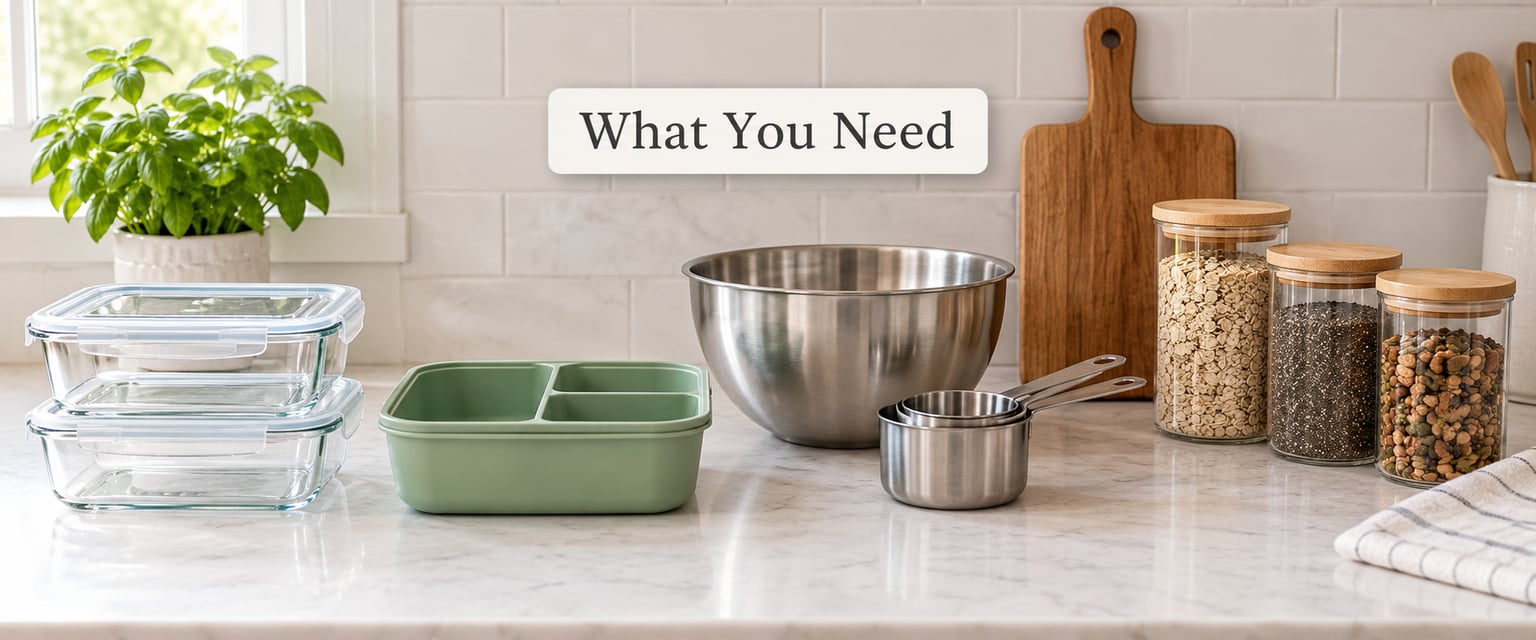
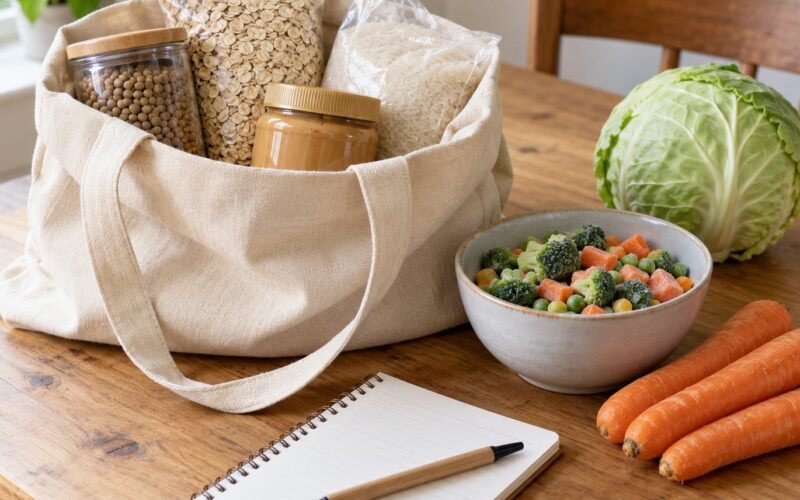
You need five containers, not twenty. Buy a set of five single-serving containers with snap lids, ideally one size, so you can stack them in the fridge without Tetris. Two-compartment containers are worth the extra money if you eat salads, because they physically separate wet from dry.
Glass wins for reheating, since you can move food from container to skillet or microwave-safe dish and keep the plastic out of the heat. Plastic is lighter and cheaper for cold-only lunches like salads and chilled soups. If you pack only one type, get glass.
Add a few small jars or silicone sauce cups for dressings. A leakproof 4-ounce jar is the single most useful item in this whole list, and it is the difference between a crisp Thursday salad and a disappointing one.
For the cooking itself, you need a sheet pan, a large pot, a skillet or baking dish for tofu, a knife, a cutting board and a marker for labeling. An Instant Pot cuts batch-cooking time for grains and beans, and an air fryer handles chickpeas and tofu, but neither is required. A tofu press or two cans and a weight will do if you do not want to buy one.
Stock the pantry so the Sunday session is not a shopping trip: dry grains like rice, quinoa, farro or rolled oats; canned or dried beans and lentils; frozen vegetables; nuts and seeds for texture; tahini, miso, lemon juice and a hot sauce for dressings; and corn tortillas or sliced whole-grain bread for wraps.
Step-by-Step: How to Meal Prep Plant-Based Lunches for the Week
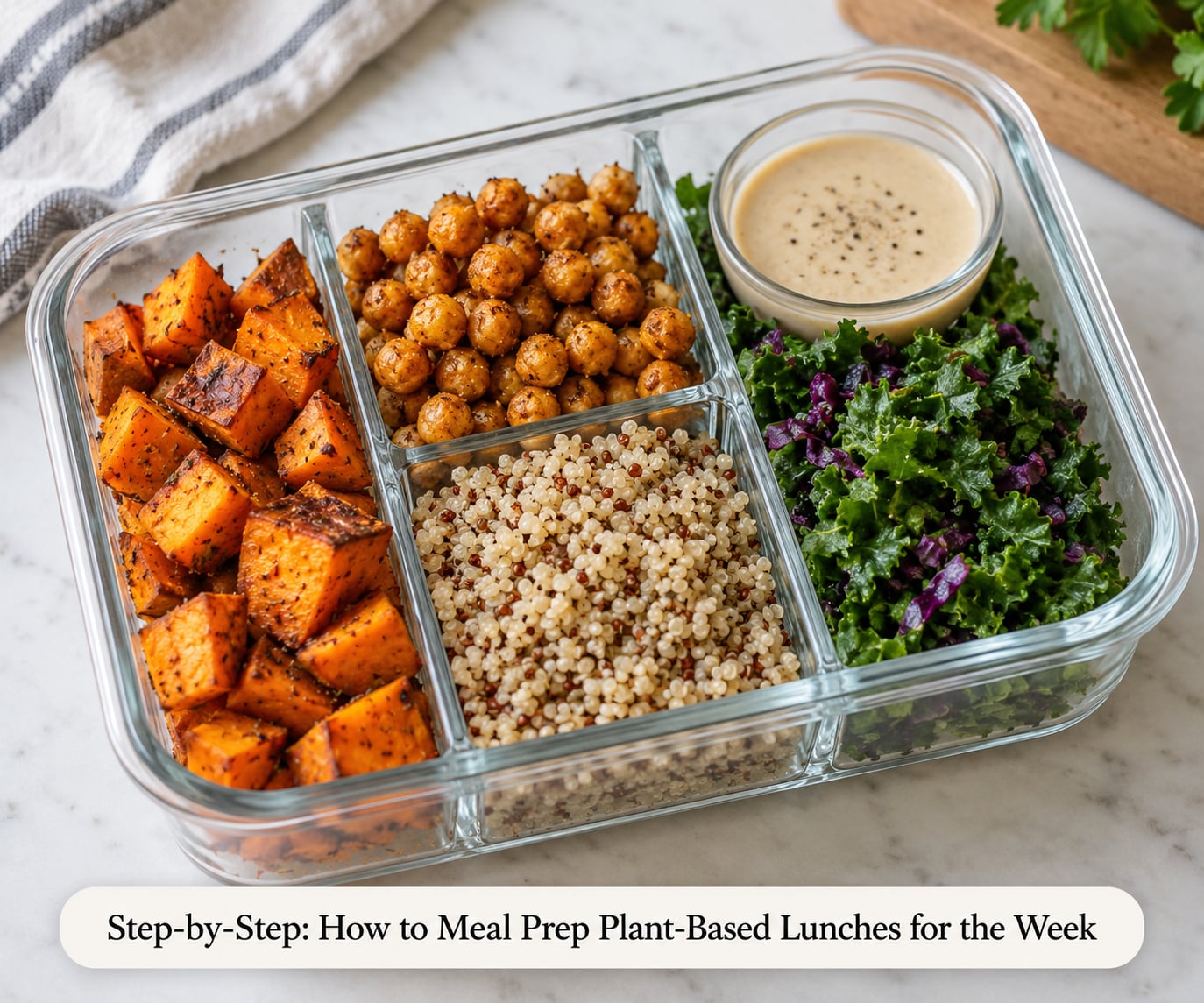
A realistic session runs 60 to 90 minutes, and most of it happens while something else cooks. Here is the order I use: oven first, then grains on the stove, then chopping, then sauces, then assembly. Work top to bottom and you will not have raw vegetables sitting out for an hour.
Plan Your Five-Day Lunch Rotation
Pick one theme for the week before you shop. Mediterranean week means quinoa, chickpeas, roasted zucchini and lemon-tahini. Mexican week means brown rice, black beans, roasted peppers and a salsa-like tomato dressing. A theme keeps the shopping list short without making the lunches boring.
Then choose five formats, not five recipes. One warm grain bowl, one wrap, one chilled soup or pasta, one big salad and one remix of whatever is left from the first four days. Different formats use the same components in ways that feel genuinely different.
A workable example: Monday is a quinoa bowl with roasted sweet potato and tahini. Tuesday is a black bean and charred corn wrap. Wednesday is chilled lentil soup with a side of bread. Thursday is a chopped salad with crisp chickpeas and lemon dressing. Friday is the leftover roasted vegetables over rice with a different sauce.
Prep Ingredients in the Right Order
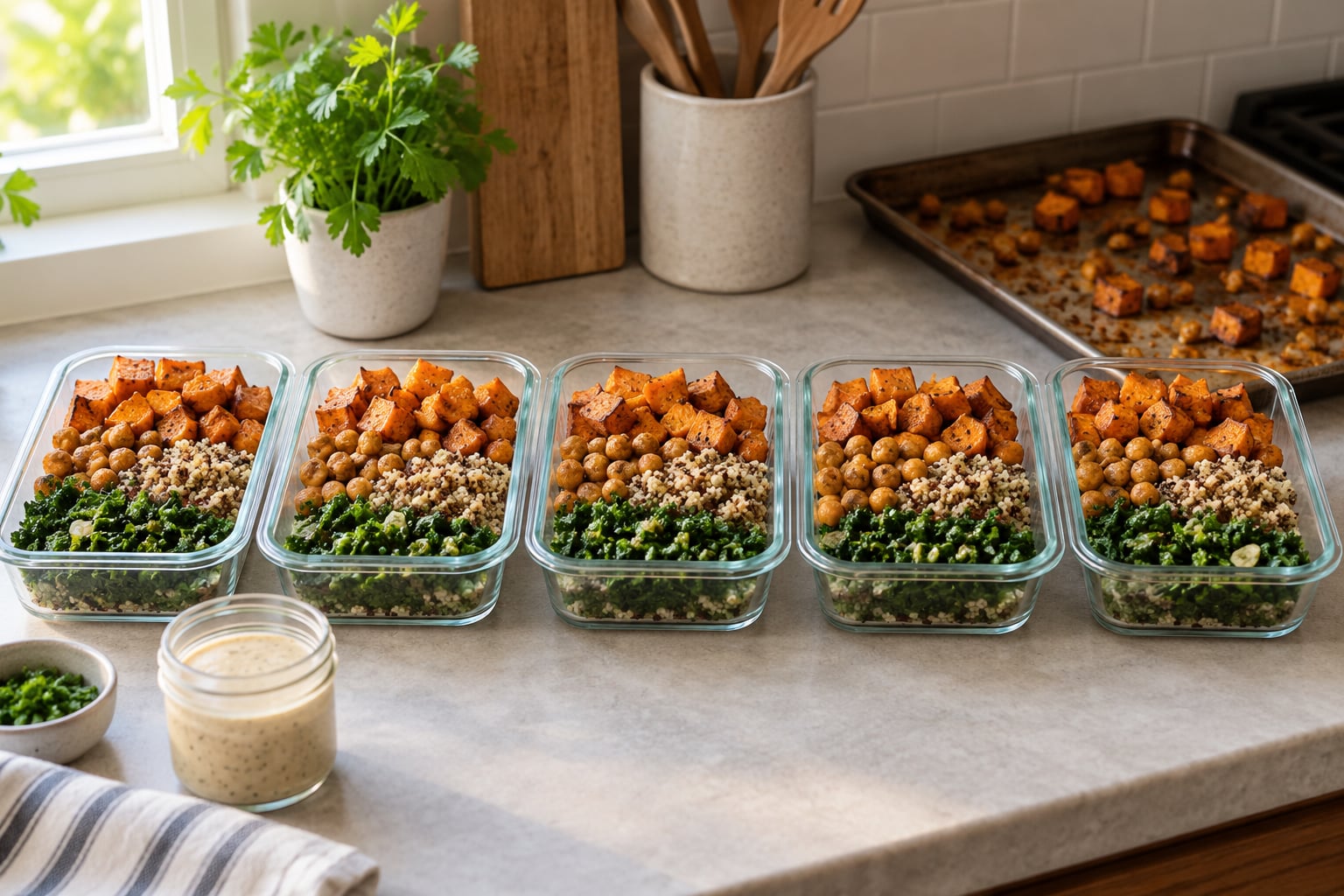
Start the oven. Put two sheet pans in at once, one with sturdy vegetables like sweet potato, broccoli or cauliflower and one with chickpeas, tofu cubes or sliced tempeh. Dry, oiled and lightly seasoned food roasts better than food added wet from a bag.
While the oven heats, rinse dry grains or lentils and get them on the stove. Once the water boils, chop the vegetables that need it, because those ten minutes are the longest stretch of passive time you will get.
Cook grains and vegetables together once the water is hot. That single overlap is the move most people miss, and it reliably cuts 20 minutes off the session.
Wash and cut raw produce after the cooked items are handled, and use a separate cutting board for anything raw that will go straight into a container. Press or drain tofu for 20 minutes before seasoning so it browns instead of steams. Dressings go last, blended in a jar you can shake all week.
Assemble and Store Lunches Safely
Let cooked food cool briefly in shallow containers before you seal it, then refrigerate within two hours. A deep pot of steaming beans cools slowly in the middle, which is exactly where you do not want warmth. Divide big batches across several containers to speed that up.
Pack in layers, heavy and wet at the bottom, light and dry on top. Grains and roasted vegetables go in first, chopped greens last, and dressing travels in its own jar. Crunchy things like toasted seeds or nuts go in at the very top or into a separate small container so they survive the morning commute.
Label each container with the day it was made, not the day you plan to eat it. Once something hits the four-day mark, it goes in the bin without debate. Most cooked leftovers, including cooked grains, cooked beans and reheated tofu, keep three to four days refrigerated on the standard rule; lettuce, cucumber and cut avocado do not come close.
The table below is the honest version of how long prepped plant-based components hold up. Plan the meals around the shorter rows, not the longer ones.
| Component | Refrigerated | Frozen |
|---|---|---|
| Cooked grains (rice, quinoa, farro) | 3-4 days | 2-3 months |
| Cooked beans and lentils | 3-4 days | 2-3 months |
| Baked tofu, tempeh, plant-based meat | 3-4 days | 2-3 months |
| Roasted vegetables | 3-4 days | 2-3 months, softer texture |
| Cooked chili, curry or soup | 3-4 days | 2-3 months |
| Hummus and other thick dips | 3-4 days | 2-3 months |
| Raw chopped vegetables (carrot, pepper, cucumber) | 3-4 days | Not recommended |
| Washed leafy greens | 3-5 days | Not recommended |
| Dressings and sauces | 5-7 days | 2-3 months |
| Cut avocado | Same day only | No |
That table answers the Thursday and Friday problem. While you are assembling, portion the Thursday and Friday lunches into separate containers and freeze them on prep day, sauces in their own small jars so they freeze flat. Move a container from the freezer to the fridge the night before, and by lunchtime it is thawed, not frozen solid.
Reheat food until steaming hot all the way through, around 165°F, and move it out of plastic into a skillet or microwave-safe dish. If your lunches go straight from fridge to desk, choose components that are good cold: wraps, grain salads, chilled soups and chopped salads with the dressing on the side.
Common Mistakes
Making five identical meals. This is the single biggest reason people give up within a month. Fix it by cooking components once and assembling five different formats, which costs you nothing extra and gives you a wrap, a bowl, a soup and a salad out of the same Sunday session.
Pouring dressing onto salad in advance. Salt draws water out of the leaves and the whole container goes limp by Tuesday. Keep dressing in a sealed jar and add it at your desk.
Leaving hot food sealed on the counter. Warm, sealed and sitting is the worst possible combination. Get it into shallow containers and into the fridge within two hours.
Reheating in a plastic container. Move food to glass or a microwave-safe dish. It is one small extra step and it avoids heating plastic while hot oil and steam are involved.
Planning nothing but raw vegetables. A salad-only week is a soggy week by Wednesday and usually falls short on protein. At least three lunches should carry a cooked grain or legume.
Choosing recipes that take an hour each. If your Sunday session has six from-scratch recipes in it, you will stop running it. Three components and one dressing is plenty for five lunches.
Aim for a palm-sized serving of protein plus a grain or legume at lunch. Pairing a grain with a legume gives you the full set of essential amino acids, and choices like lentils, tofu, tahini, seeds and greens cover iron, calcium and B12 support over a week. If you want personal numbers, a registered dietitian can set targets that fit your body and your training.
Frequently Asked Questions
How long does vegan meal prep last in the fridge?
Most cooked plant-based meal prep keeps three to four days refrigerated: cooked grains, cooked beans and lentils, roasted vegetables, tofu and reheated plant-based meat all follow that window. Dressings and sauces last five to seven days. Washed leafy greens can hold five days, but cut avocado is a same-day food. When in doubt, throw it out.
How do I keep meal prep salads from getting soggy?
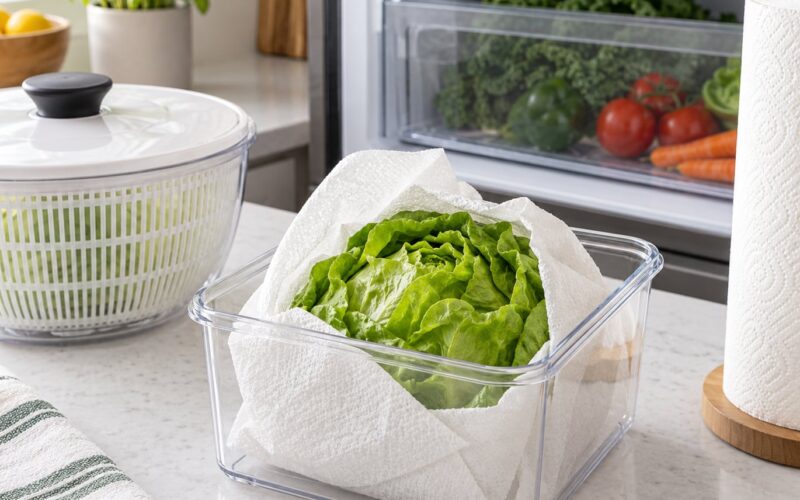
Keep every wet ingredient out of the greens. Store dressing in a small sealed jar, put roasted or cooked ingredients at the bottom of the container, and pack raw greens on top so nothing crushes them. Paper towel in the greens container absorbs stray moisture. Crunchy toppings like seeds or toasted nuts travel separately and get added last.
Can I meal prep for 7 days at once, and what lasts past day four?
You can cover the full week, but not all of it lives in the fridge. Make five lunches fresh, then freeze the Thursday and Friday portions on prep day in single-serving containers with the sauce jarred separately. Move each container to the fridge the night before it is needed. Grains, beans, tofu, roasted vegetables, soups and dressings all freeze well; raw salads and cut avocado do not.
Is it cheaper to use dried beans and lentils or canned ones?
Dry is cheaper per serving and the texture holds up better in grain bowls, but it needs soaking time and about an hour of cooking. Canned beans cost more per can and make a good shortcut for a weeknight or a two-session-per-week approach. Cook a big batch of dry beans on prep day, then use cans when your schedule is tight.
What can I prep for lunch if my office has no microwave?
Plan meals that are good cold: wraps with hummus or mashed beans, grain salads with a jarred dressing, chilled lentil or chickpea soup in a thermos, chopped salads with dressing on the side, and fruit with nuts or seed butter on top. None of these need reheating, and most survive a commute without a mess. Keep a stash of crackers or roasted chickpeas for something crunchier.
How much protein should a plant-based lunch contain?
A common target for plant-based meal prep is roughly 20 to 30 grams of protein per meal, though your own needs depend on your size and activity. Easy ways in a single lunch: a cup of lentils or chickpeas, about a half cup of firm tofu, edamame, or a couple of tablespoons of tahini or seeds alongside a grain. A registered dietitian can set numbers for your particular goals.
Conclusion
The whole method rests on one idea: cook components separately and assemble them differently. One grain, one protein, one tray of roasted vegetables and one good dressing become five lunches, and the freezer covers Thursday and Friday while the fridge covers Monday through Wednesday.
Start small. Pick five lunches, choose your one grain, one protein, two vegetables and one dressing, and give yourself 90 minutes on a Sunday. Label everything, keep dressing in its own jar, and check the containers on Thursday rather than hoping they still look fine.