You can thicken soup without flour by releasing the starch already hiding in the pot. Blend a ladleful of the soup itself, mash in a starchy vegetable or a can of white beans, cook the liquid down, or whisk a slurry of cornstarch or arrowroot into it with cold water first. Six reliable methods, and every one takes under ten minutes once the soup is hot.
The reason most people reach for flour is timing. A roux needs fat and a few minutes of cooking to turn broth into something that clings to a spoon, and by the time you notice the soup is thin, that window has closed. These methods work late, on a finished pot, without turning dinner into a paste.
Start with the smallest amount you can get away with. Soup thickens faster than anyone expects, and you can always add more but not take it back.
Table of Contents
- What You Need to Thicken Soup Without Flour
- How to Thicken Soup Without Flour, Step by Step
- Use Cornstarch or Arrowroot to Make a Slurry
- Purée Vegetables or Beans Into the Soup to Thicken Soup Without Flour
- Reduce the Soup to Concentrate Its Flavor
- Add a Nut or Seed Butter for Body
- Use Rice, Millet, Oats, or Another Gluten-Free Starch
- Finish with Greens, Seeds, or Another Thick Ingredient
- Common Mistakes When Thickening Soup Without Flour
- Frequently Asked Questions
- What is the best way to thicken soup without flour if it is already hot?
- Can I thicken clear broth without flour or making it cloudy?
- How can I thicken soup without flour if I do not want to use cornstarch?
- What can I add to watery bean soup to give it more body?
- How much thickener should I add to a batch of soup?
- Conclusion
What You Need to Thicken Soup Without Flour

Six methods cover almost every soup you will meet. Some need nothing but a spoon, two need a blender, and one needs nothing but patience and the lid off the pot.
- A slurry thickener: cornstarch, arrowroot starch, tapioca starch, or potato starch, plus cold water for whisking.
- Something starchy already in the pot: potatoes, sweet potatoes, squash, cauliflower, rutabaga, white beans, or red lentils.
- Reduction: an uncovered pot and a low simmer.
- A fat for richness: nut butter, seed butter, tahini, full-fat coconut milk, or heavy cream if dairy is fine with you.
- A grain or starch: cooked rice, millet, quinoa, rolled oats, or bread.
- A finishing ingredient: chopped cooked greens, sunflower seeds, or ground flaxseed.
The only real tools are an immersion blender or a regular blender, a whisk, and a ladle. Everything else is pantry food most kitchens already have on hand.
| Method | Amount per 4 cups of soup | Time | Result | Gluten-free and vegan | Flavor impact |
|---|---|---|---|---|---|
| Cornstarch or arrowroot slurry | 2 to 4 tablespoons starch mixed with equal cold water | 2 to 3 minutes | Glossy and cohesive; cornstarch is heavier, arrowroot is clearer | Yes | Neutral |
| Blended vegetables or beans | 1 to 2 cups of cooked starchy solids, or half a can of beans | 5 minutes plus blending | Velvety with real body, sometimes grainy if underblended | Yes | Mild, adds earthiness |
| Reduction | Nothing added | 15 to 30 minutes | Deeper flavor, slightly thicker, concentrates everything | Yes | Intensifies what is already there |
| Nut or seed butter | 2 to 4 tablespoons | 3 minutes | Enriched and silky, never gel-like | Yes, but not nut-free | Nutty, mild for sunflower and tahini |
| Rice, millet, oats, or bread | Half a cup cooked grain, or a quarter cup oats | 10 to 20 minutes | Hearty and filling rather than smooth | Oats only if certified gluten-free | Comforting, grain-forward |
| Greens, seeds, or flaxseed | 1 cup chopped greens, 2 tablespoons seeds | 5 minutes | Subtle body and texture, not a sauce | Yes | Green, earthy, nutty |
How to Thicken Soup Without Flour, Step by Step
Each method below solves a different problem, so pick the one that matches what your soup is already made of before you start measuring anything. That is the whole trick to learning how to thicken soup without flour.
Use Cornstarch or Arrowroot to Make a Slurry
A slurry is starch suspended in cold liquid, and the cold part is what keeps it lump-free. Measure 1 tablespoon of cornstarch or arrowroot for every 2 tablespoons of cold water, whisk it smooth in a mug or small bowl, then pour the slurry into simmering soup while you stir.
Let it cook for 1 to 2 minutes so the heat activates the starch and the liquid turns glossy. Then take it off the heat and rest it for a minute, because starch keeps setting as it cools. For a four-cup pot, start with one slurry and add a second only after you taste.
Cornstarch gives a glossier, slightly heavier result and needs a full boil to reach its full thickness. Arrowroot is clearer and lighter, and it stops thickening if you keep cooking it, so stir it in near the end of the recipe instead. Never pour dry starch straight into hot soup. It hits the surface, sets immediately, and drops in lumps.
Purée Vegetables or Beans Into the Soup to Thicken Soup Without Flour
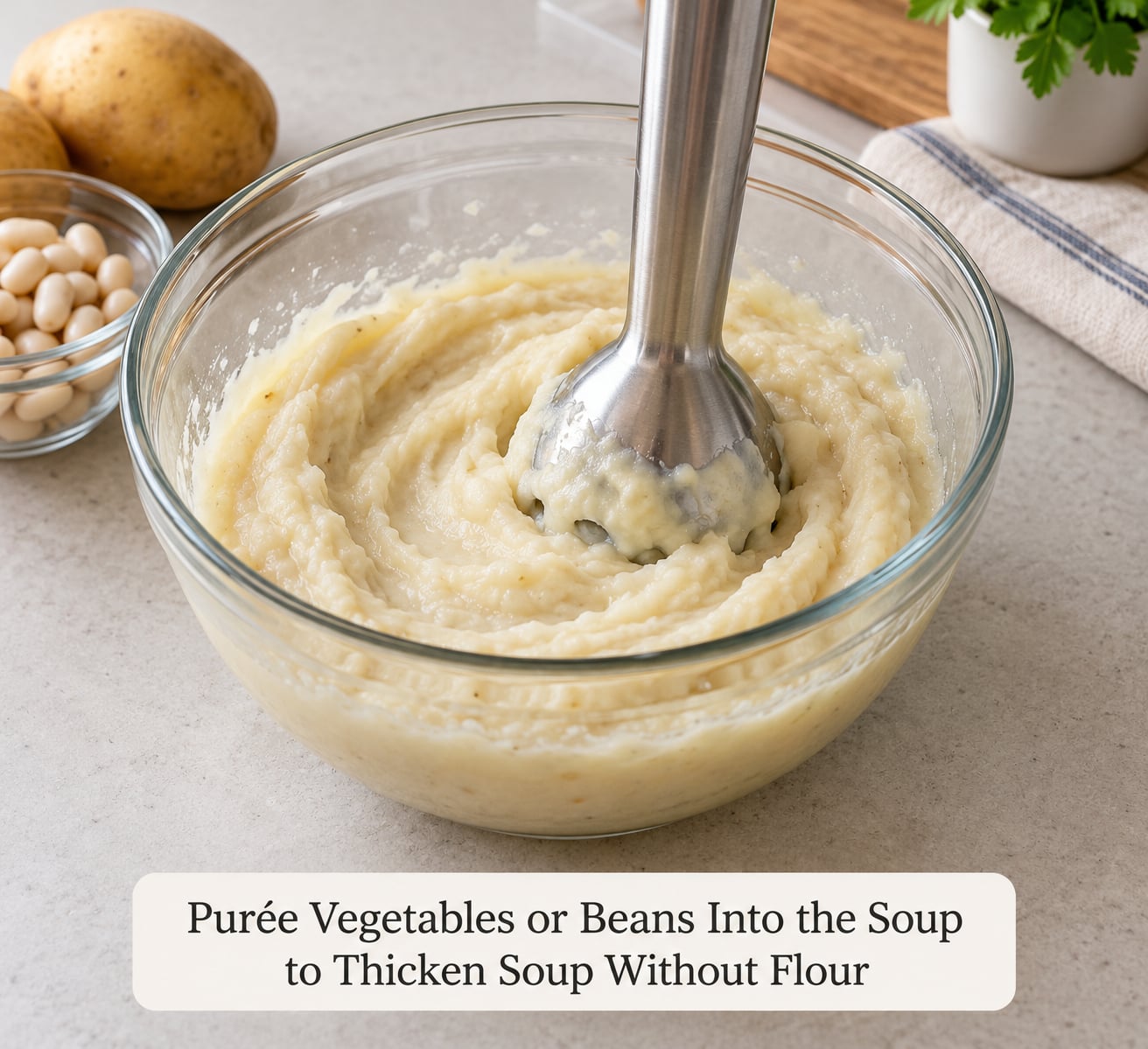
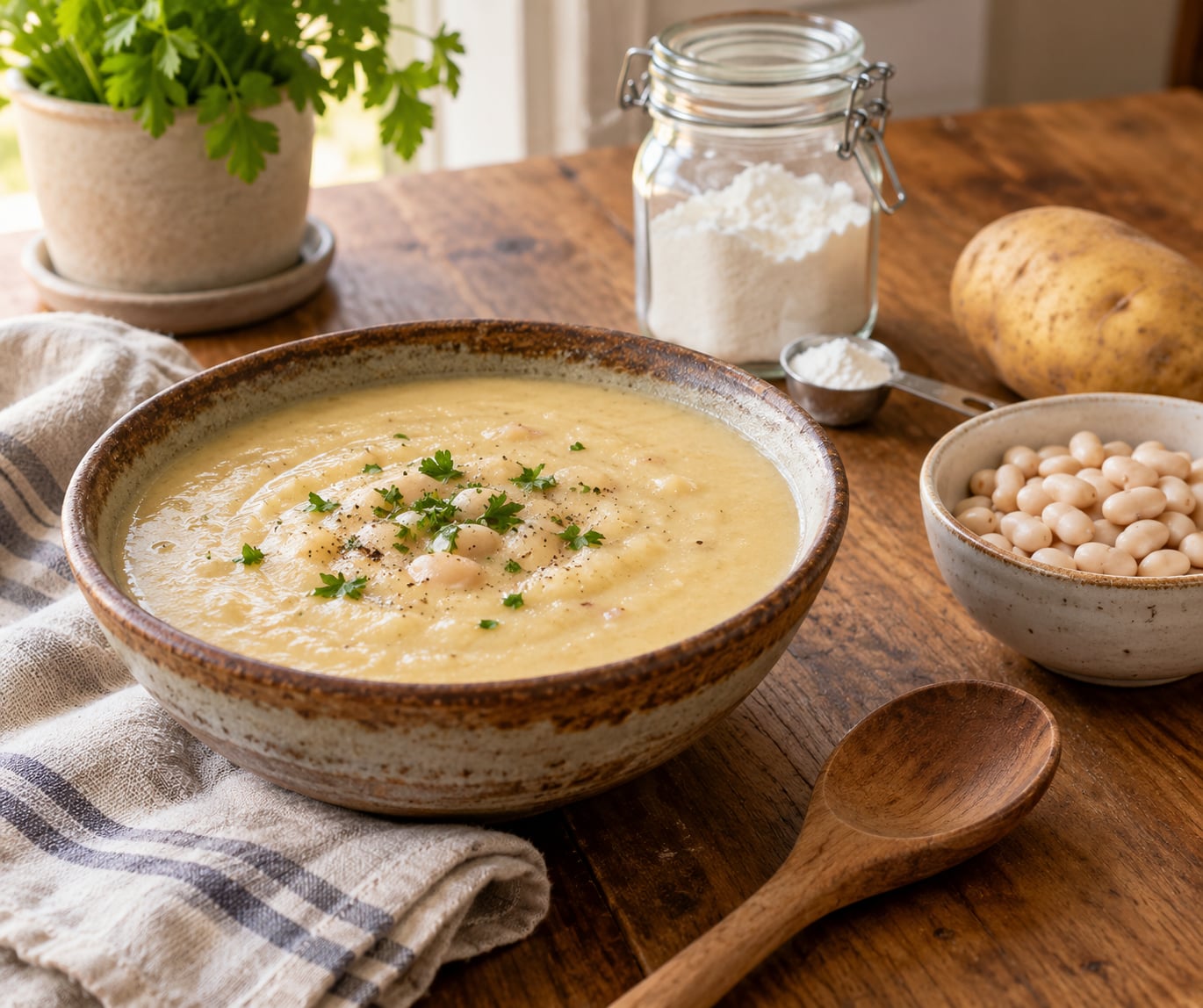
Beans and starchy vegetables already contain the thickener you need. Scoop out a ladleful of soup with its solids, put it in a blender with a splash of the broth, and blend until smooth, then stir it back into the pot.
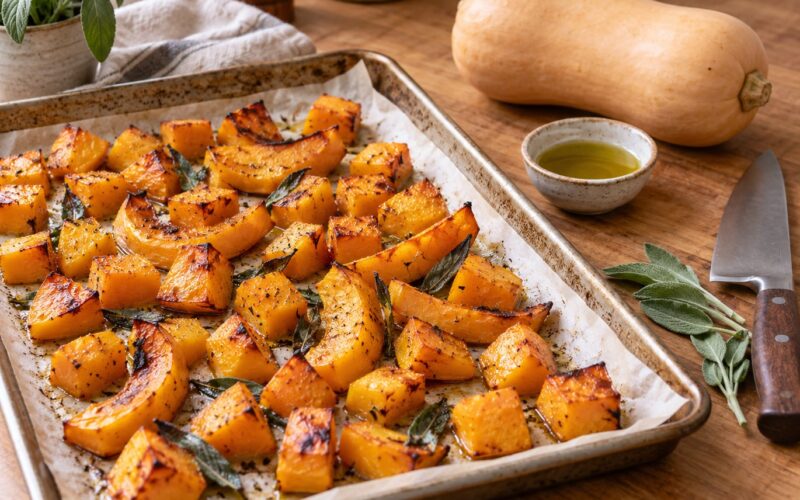
Blended white beans are the version people recommend most often in cooking forums, and cannellini are the usual pick because they turn creamy and disappear. Red lentils collapse into the soup in about fifteen minutes of simmering with no blending at all. Potatoes, sweet potatoes, butternut squash, cauliflower, rutabaga, and parsnips all work the same way, and sweet potato is the traditional move in bean soup across the South.
You control the texture by how much you blend at once. Start with a third of the soup and only some of the solids, stir it back in, and add more if it still looks thin. That way squash soup keeps a little bite instead of turning into baby food.
Reduce the Soup to Concentrate Its Flavor
Reduction thickens by removing water, so nothing gets added at all. Take the lid off, set the heat just under a simmer, and let it go for fifteen to thirty minutes.
Stir every few minutes, and more often once it starts to catch. Cream soups burn fast at a hard boil, which is why dairy and coconut versions must barely move. Your cue is visual: the liquid level drops, and when you drag the spoon across the bottom of the pot it leaves a trail that fills in slowly.
Reduction is the slowest method but the best flavor move. Everything that was mild gets louder, which is exactly what a thin soup usually needs.
Add a Nut or Seed Butter for Body
Two to four tablespoons of smooth almond, cashew, sunflower seed, or tahini butter stirred into hot soup adds fat and body without starch. Whisk it in a little at a time, off the boil, until the soup looks creamy and coats the back of a spoon.
Cashew butter brings a mild sweetness that suits squash and sweet potato. Sunflower seed butter and tahini are the nut-free options and both taste close enough to neutral in a savory soup. Nut butter can split if the soup is boiling hard, so keep the heat low and whisk fast. Skip this method entirely for a clear broth, where fat reads as greasy rather than rich.
Use Rice, Millet, Oats, or Another Gluten-Free Starch
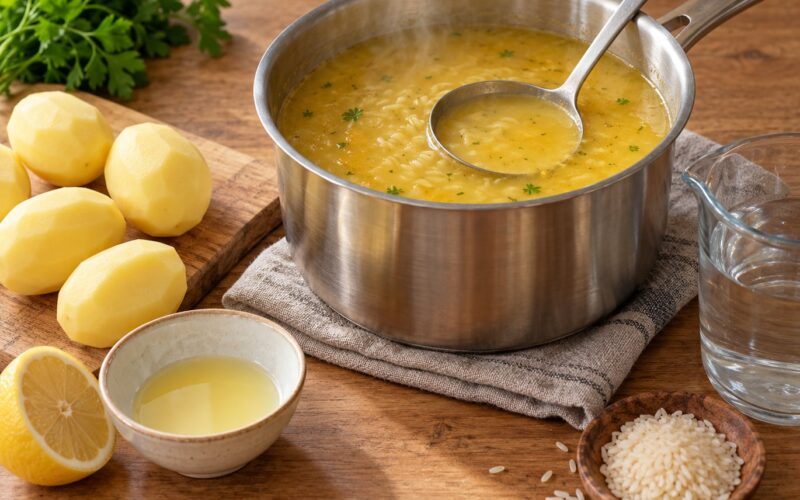
Cooked grains thicken by releasing starch as they simmer. Add about half a cup of cooked rice, millet, quinoa, or small pasta to every four cups of broth and let it cook at a low simmer for ten to twenty minutes, stirring now and then.
Rice gives a classic, rounded soup body. Millet adds a creamy, slightly sweet thickness that works well in chicken broth. Oats, about a quarter cup, thicken in five minutes and bring a soft, earthy note. If you need it truly smooth, blend half the pot once the grains have cooked, then stir it back. If anyone in the house cannot eat gluten, buy certified gluten-free oats, since regular oats are cross-contaminated.
Finish with Greens, Seeds, or Another Thick Ingredient
The last layer is texture rather than viscosity. Chopped cooked collards stirred in at the end, sunflower seeds, or a teaspoon of ground flaxseed will make a thin soup feel more substantial without making it taste starchy.
Torn bread works the same way, ribollita-style, and it turns leftover soup into lunch. A slice of cornbread broken into soup at the table does the same job in a Southern kitchen. These options are subtle, so they work best in vegetable soups where you want more body and more chew, not in a broth you are trying to turn into a bisque.
Common Mistakes When Thickening Soup Without Flour
Most ruined soup comes down to one of five problems, and all five have a fix.
Soup still looks thin. Usually the starch has not had time or heat to work. Give the slurry a full minute at a simmer and stir again. With xanthan gum, wait longer still. It is not an instant thickener like cornstarch; give it five minutes of simmering and a few minutes off the heat to hydrate fully. People on keto forums dose it at a quarter to half teaspoon per cup of liquid and warn that doubling it once produced something inedible.
Soup turned gluey or gummy. Too much starch, or starch that boiled too long. There is no way to pull it back except dilution: add hot broth or water a ladle at a time until the texture recovers, then season again. Ground flaxseed and okra slim a soup the same way, for the same reason, so a dab is all they get.
Lumps in the soup. Dry starch hit hot liquid. There is no rescue for existing lumps, so strain the soup through a fine sieve or an unused nut bag and start again with a fresh slurry. Prevention is the whole trick: always whisk starch into cold water first.
Grainy or pasty texture. Either the purée was underblended, or flour went in at the end instead of the beginning. Blend longer, and stop using flour. Cooked flour that never cooked reads as chalk.
Cream soup broke or scorched. It boiled too hard, usually while you were reducing it. Take it off the heat, whisk in a splash of cold cream or coconut milk, and simmer it gently from there.
One more warning: never sprinkle dry starch directly into hot soup, and never dump xanthan gum into a moving pot. Disperse it in a small amount of cold liquid first, or it hydrates into rubbery blobs.
On leftovers, refrigerate soup within two hours, use it within three to four days, and reheat to 165°F. If you thickened soup that contained poultry, the poultry still needs to reach 165°F.
Frequently Asked Questions
What is the best way to thicken soup without flour if it is already hot?
Whisk 1 tablespoon of cornstarch or arrowroot with 2 tablespoons of cold water, pour it into the simmering soup while stirring, and let it cook 1 to 2 minutes. Take it off the heat and rest a minute before tasting, since starch keeps thickening as it cools. Start with one slurry for four cups of soup and add a second only if it still looks thin.
Can I thicken clear broth without flour or making it cloudy?
Yes, but not with a starch slurry, which turns broth opaque and opaque is hard to undo. Reduce the broth uncovered at a gentle simmer instead, stirring often, until the liquid level drops and the spoon leaves a slow-filling trail. Clear seafood broths and consommés tolerate very little reduction, so for those, simmer a handful of potato pieces in the broth, fish them out, and discard them.
How can I thicken soup without flour if I do not want to use cornstarch?
Use arrowroot or tapioca starch in a cold-water slurry, which clear the soup rather than clouding it. Beyond that, blend a ladleful of the soup with its own potatoes, white beans, or lentils, or simmer in cooked rice or gluten-free oats. Nut and seed butters thicken without any starch at all, and reduction needs nothing but time and an uncovered pot.
What can I add to watery bean soup to give it more body?
Blend a ladleful of the soup with its beans and stir it back in, which is the fix longtime cooks recommend most often. Cannellini beans are the usual pick because they blend creamy and neutral. You can also add half a can of pureed beans, simmer red lentils until they collapse, or blend in sweet potato, which is the traditional Southern addition to bean soup.
How much thickener should I add to a batch of soup?
For four cups of soup, start with 2 tablespoons of cornstarch or arrowroot whisked into 2 tablespoons of cold water, or half a cup of cooked grain, or one to two cups of blended starchy solids. Add the thickener in stages and taste after each one, because the soup thickens more while it simmers and again as it cools. Xanthan gum needs far less: a quarter to half teaspoon per cup of liquid.
Conclusion
Match the method to the soup. A starch slurry is the fastest fix for a thin brothy pot. A blended portion of the soup itself, whether beans or starchy vegetables, gives the best flavor-neutral body. Reduction is the right call when the soup tastes watery but fine. A nut or seed butter adds richness to a squash or potato soup, and grains or greens fill out a vegetable soup.
Whichever you pick, start with half of what you think you need, taste, and add more. Knowing how to thicken soup without flour turns out to be less a technique than a matter of matching the method to the pot in front of you, and it takes about as long as it takes to boil water for the pasta.