Shopping a farmers market like a regular comes down to three habits: walk the whole market before you buy anything, ask vendors what is best that morning, and buy only what you can cook in the next few days. Learn that routine and the trip stops being a stressful browse and starts being the easiest part of your week. Most people find the whole thing takes 30 to 45 minutes once they know the layout of their market.
Regulars also learn the seasons. A market in the Appalachians looks completely different in June than it does in October, and a shopper who knows what is peaking buys smaller amounts of better food. This guide covers the gear you need, an eight-step routine you can repeat every week, and the mistakes that turn a good haul into a drawer of wilted herbs.
Table of Contents
- What You Need
- Step-by-Step: A Regular Market Shopping Routine
- 1. Arrive Early and Walk the Market First
- 2. Shop Around the Season, Not a Fixed List
- 3. Choose Produce by Quality and Flexibility
- 4. Ask Vendors What Is Best Right Now
- 5. Buy a Mix of Staples and Discoveries
- 6. Keep Records, Preferences and Useful Notes
- 7. Handle Cash, Cards and Availability Changes
- 8. Turn the Trip Into a Weekly Cooking Plan
- Common Mistakes
- Frequently Asked Questions
- How often should I go to the farmers market?
- Do farmers markets accept reusable containers?
- Should I buy organic produce at a farmers market?
- How can I shop the farmers market on a tight budget?
- What should I do with imperfect or unfamiliar produce?
- Start With One Good Market Loop
What You Need
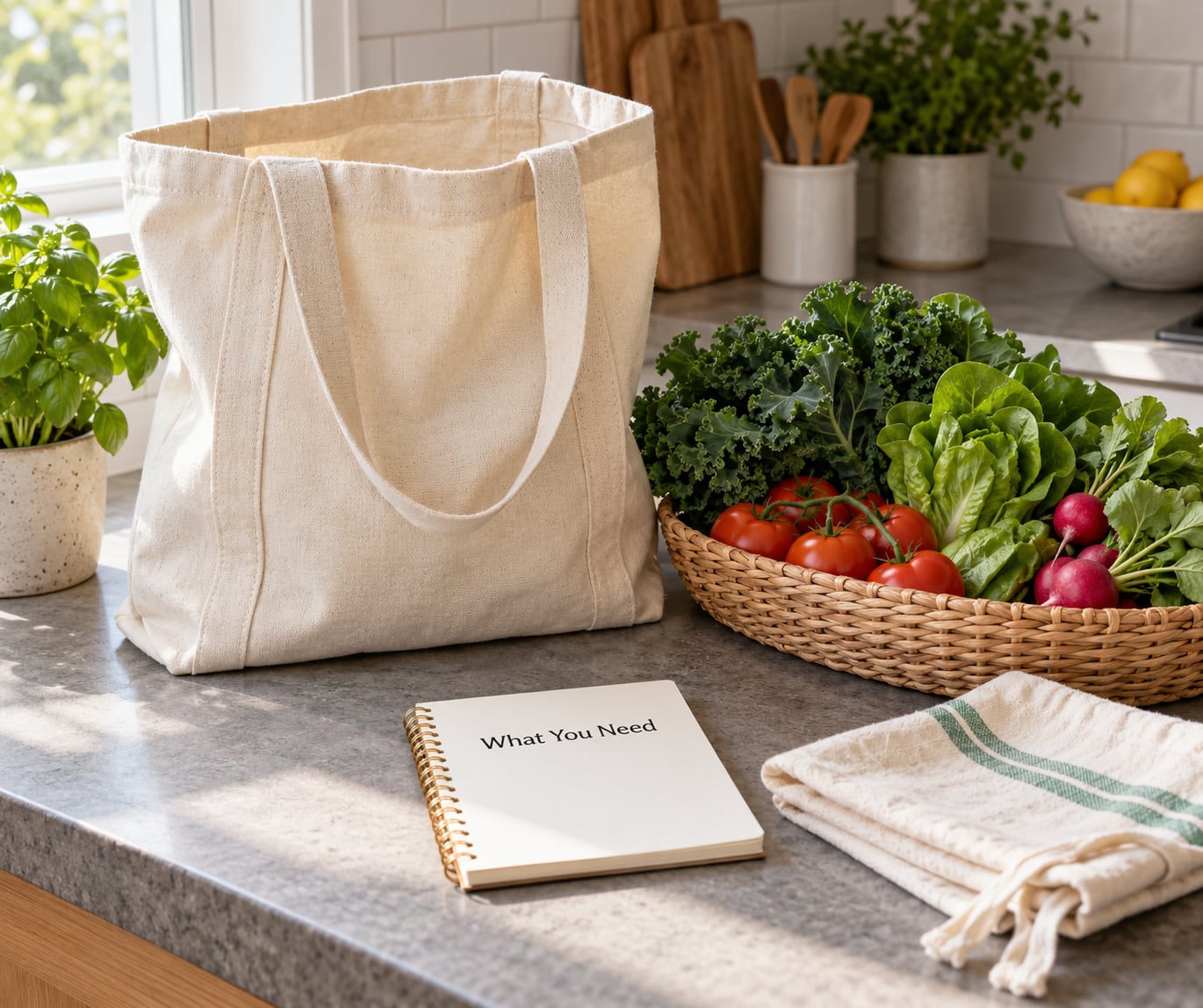
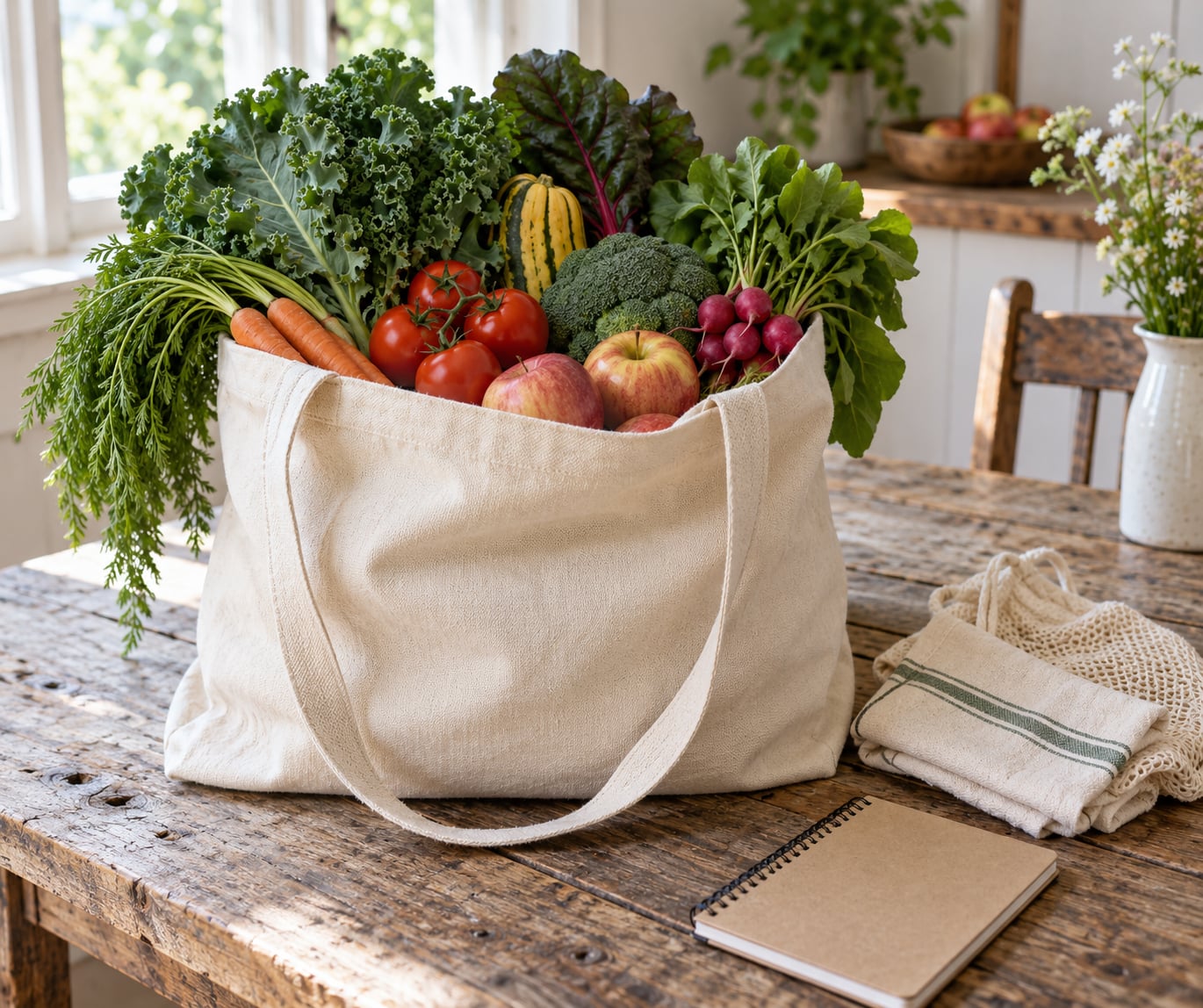
Five items do the work here. A sturdy tote is the big one: market baskets look charming but a canvas bag with flat sides stacks peppers without crushing them.
Bring a second small bag for greens and herbs. Loose basil and cilantro bruise under the weight of potatoes, and a separate tote or cloth bag keeps them intact until you get home.
Cash matters more than people expect. Many small vendors have a card reader, but the connection drops in fields and covered pavilions, so carry a stack of small bills and coins. Fives and ones split more easily than twenties, and it speeds up the transaction for everyone behind you.
A notebook or your phone’s notes app catches the details you will want next week: which vendor had the best greens, what a pound of their tomatoes ran, which variety you want to look for again. Most regulars write more in the first month than after that, once they know their market.
Last, decide what you want to cook this week before you leave the house. Not a strict list, just a direction: a soup, a salad for four, something to roast. A loose idea gives you a filter for what you pick up.
Step-by-Step: A Regular Market Shopping Routine
1. Arrive Early and Walk the Market First
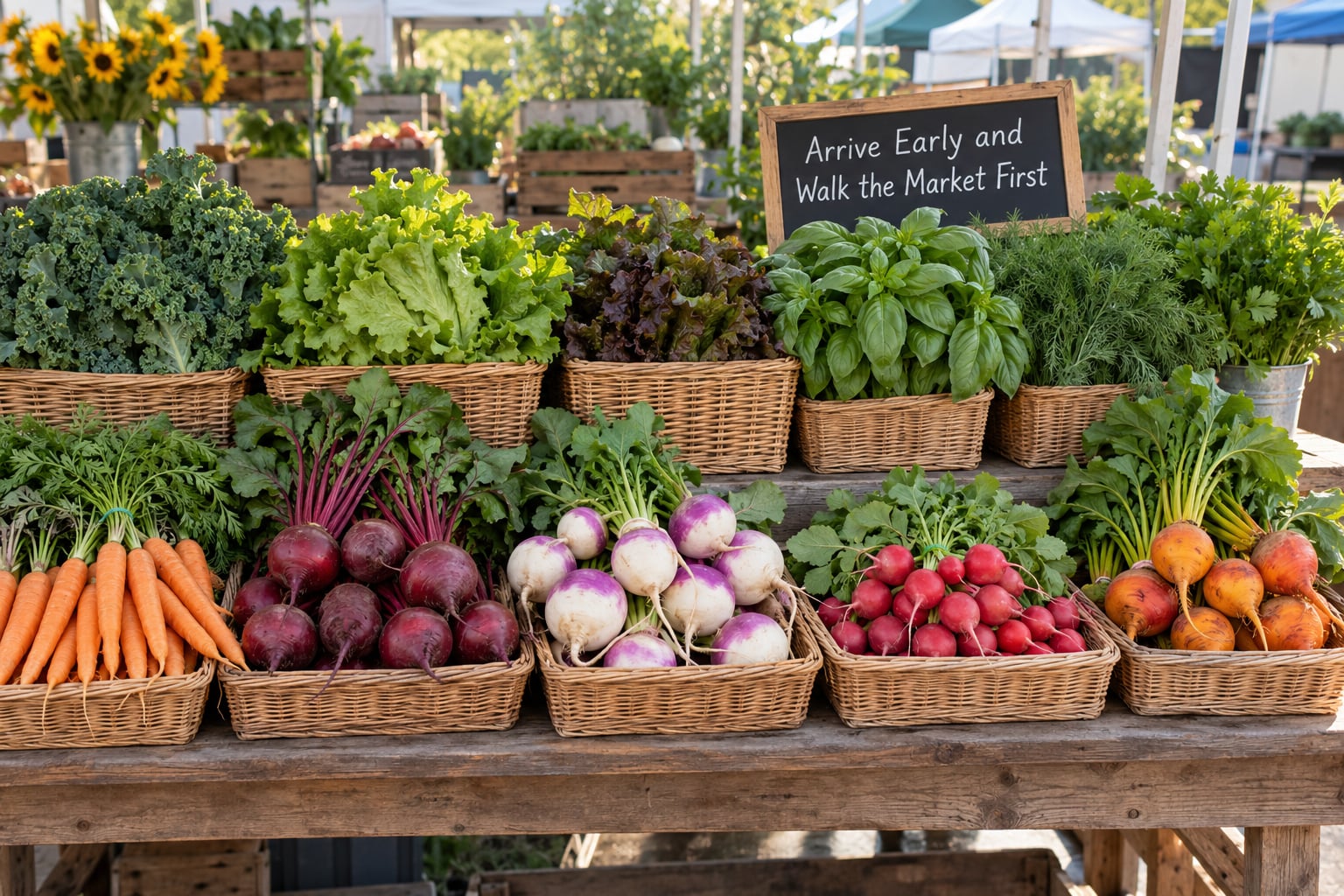
Arriving within the first half hour gives you the widest selection, and it gives you time to walk before you commit to anything. Do one full circuit without picking anything up.
Look at what each stall actually has today rather than what you hoped for. Two vendors may both have tomatoes, and one of them grew a variety better suited to sauce while the other is perfect for a sandwich. You cannot tell from a glance, so ask.
By the time you finish the loop you know what is abundant, what is nearly gone, and what will still be there in an hour. That is when buying starts. First-timers skip this step and end up with six items that never become the same meal.
2. Shop Around the Season, Not a Fixed List
Write your list as ingredients instead of exact dishes. If you planned tomato pasta and a salad, the market version might be a box of ugly heirloom tomatoes for sauce, a bunch of lacinato kale and a jar of pickled peppers you had not thought about. Staying flexible about the exact item while staying fixed about the meal is what regulars do.
Keep three or four staples on the actual list, usually eggs, onions, garlic and one protein or bread. Everything else follows the season. Those staples are what make the rest of the haul usable by Wednesday.
In the southern Appalachians that means greens and berries in early summer, stone fruit and field peas in midsummer, and sweet potatoes, apples, squash and late greens through the fall. Winter markets thin out, so plan on a smaller trip and heavier use of what you stored.
3. Choose Produce by Quality and Flexibility
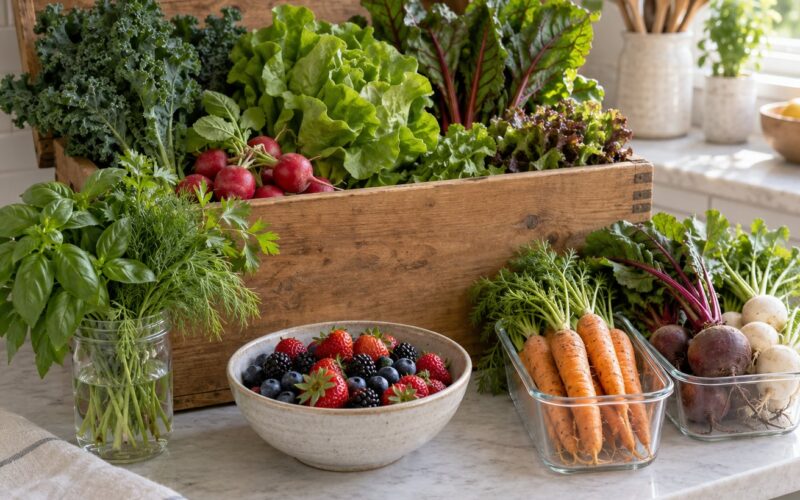
Freshness shows up in the details: leaves that are crisp and unwilted, skins with no soft spots, fruit heavy for its size, stems that look freshly cut rather than dry at the ends. Firmness matters for items you plan to cook this week. Skip anything already soft unless you intend to eat it within a day or two.
Do not squeeze produce the way you do in a supermarket aisle. Vendors arrange it carefully and bruising it ruins the display for everyone. If you want to test a peach, pick it up and feel the weight, or just ask whether it is ready today.
Imperfect produce is where the value sits. A tomato with a scar on one shoulder, a carrot forked or a bunch of kale with a couple of yellowed leaves is usually seconds seconds removed from perfect, and it tastes the same. Many vendors discount it at the end of the day or will box it off cheaply.
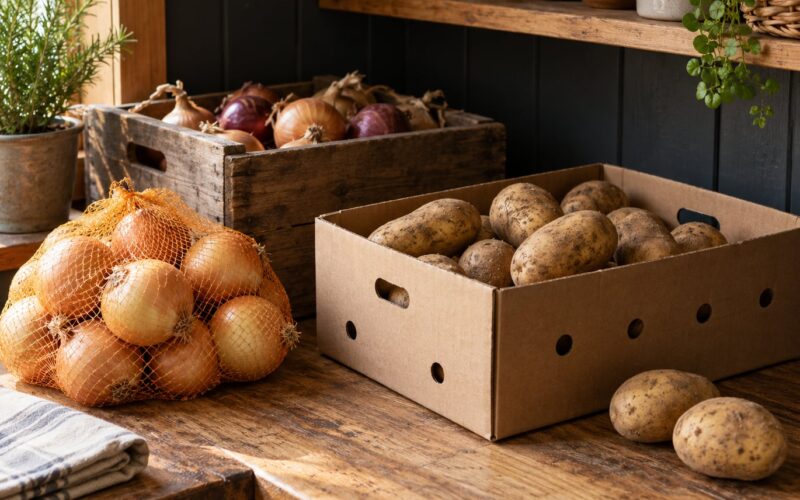
Then match the item to your schedule. If you will not cook until Saturday, buy sturdy roots, storage greens and winter squash. If dinner is tonight, buy the tender things: green beans, sweet corn, soft herbs and berries.
4. Ask Vendors What Is Best Right Now
Asking beats guessing every time. Regular shoppers ask questions that get real answers, not yes-or-no questions about labels.
- What is especially good this week?
- What is coming into season in the next few weeks?
- Which variety is best for eating raw, and which is better cooked?
- How was it grown, and how far did it travel to get here?
- Will it keep for a week, or should I eat it first?
- Is this organic, and if not, how do you manage pests?
- Do you have smaller quantities or a box deal for the seconds?
Ask about growing practices before you ask about certification. Plenty of small farms use integrated pest management or grow without synthetic sprays and simply cannot afford the paperwork and annual inspection that a USDA organic label requires. The honest answer about how a crop was grown tells you more than a sticker.
Say hello too. Vendor relationships are the quiet advantage regulars have: the people who come back every week get told what came in early, get first pick of the good flats, and get pointed toward the right item for a dinner. That happens slowly, over a season of showing up.
5. Buy a Mix of Staples and Discoveries
Two or three unfamiliar items per trip is plenty. A kohlrabi, a bunch of shishito peppers, a strange squash with a warty rind. Each one is a small risk you will actually cook, which is the point.
Keep the ratio tilted toward what you know. Most market hauls go wrong when the discovery shelf outgrows the pantry shelf, and the vegetables end up boiled once and abandoned.
A swap rule helps: anything unfamiliar you buy should replace something. Swap the kale you were not going to cook for a fennel bulb, and the week still has a salad. Vendors also help here, since most will tell you how a strange vegetable cooks in under a minute.
6. Keep Records, Preferences and Useful Notes
After the second trip, write down the five things you want every week and where you found them. On later trips your shopping time drops because you walk straight to three stalls instead of browsing all twenty.
Note the varieties, too. Vendor A’s flat of blue lake beans may be worth seeking out again, while a generic green bean was average. Note prices loosely, not precisely, since they move with the season and the harvest.
Keep a running list of what you will do with items you already own: a bunch of chard means a garlic and chard sauté, and knowing that before you buy the next bunch is what stops the repeats.
Most shoppers also settle on a rhythm within a season or two. Same market, same morning, a smaller haul, a walk first. That routine is the whole point of this guide.
7. Handle Cash, Cards and Availability Changes
Payment varies by vendor and it changes over time. Many now take cards or phone payments, and some run a market-wide token system where you pay at one central booth and spend credits at each stall. Cash still works everywhere, which is why it goes in your bag first.
Ask once at the start of the season what each market offers. Look for markets that accept SNAP benefits and nutrition incentives, where matching funds let you buy more fresh produce for the same benefit amount. These programs are common at larger markets and worth confirming with the market manager rather than assuming.
On availability, accept that some items sell out and some stallholders skip a week. If a crop failed because of weather, the vendor will usually say so, and they will know when it returns. Have a substitute ready rather than a complaint.
You will not haggle. Market prices are set by weight, not negotiated at the booth, and a regular who asks for a discount usually gets remembered as the difficult one. A friendly question about seconds deals is fine; asking for a lower price on a full basket is not.
8. Turn the Trip Into a Weekly Cooking Plan
Before you put the bags away, spend two minutes planning. Fill a pot with water for beans and start the oven for whatever you are roasting. Storage planning works the same way: decide each item’s job while you still have the energy for it.
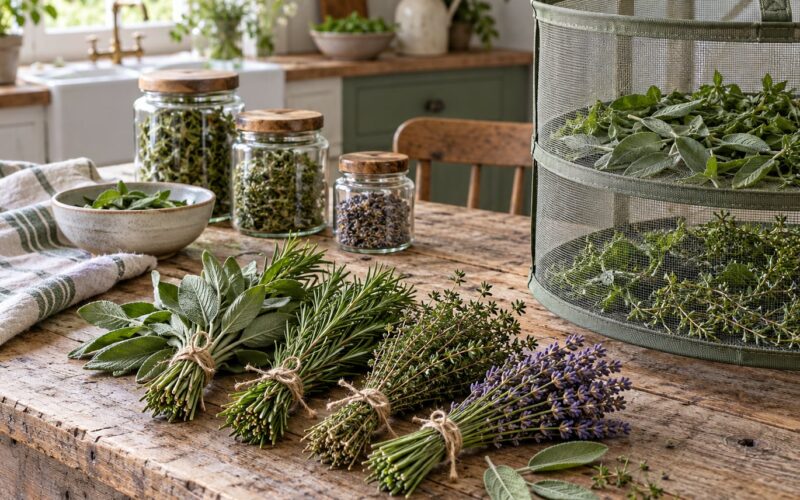
Some storage rules worth knowing. Keep greens dry in a towel-lined bag or a perforated container in the fridge, and separate leaves from stems. Store herbs upright in a jar of water with the tops covered loosely. Keep tomatoes at room temperature and out of the fridge, where they lose flavor. Apples and ethylene-sensitive produce like bananas, avocados and pears do not belong in the same bag, because they speed up everything next to them.
For food safety, keep raw meat, poultry and seafood cold and separate from produce, and use an insulated bag with an ice pack on a long drive home. Refrigerate perishable items within two hours of the purchase, one hour if the day is above 90 degrees outside.
Cook poultry to 165 degrees Fahrenheit, ground meats to 160, and whole cuts of beef, pork, lamb and fish to 145, measured with a thermometer rather than guessed at. Then cook in batches: roasted roots on one tray, blanched greens for the freezer, quick-pickled onions and radishes from the bunches you could not use.
Freezing works for corn, beans, berries, greens and most squash. Pickling and canning take more effort but reward a big market haul. Our seasonal produce guides and preserving basics cover the rest.
Common Mistakes
Buying too much is the most common failure. Every regular has watched the back of the fridge turn into a compost bin. Fix it by committing to a number before you shop: six items, two greens, one unfamiliar thing.
Arriving without any plan is next. Even a loose meal idea keeps a trip coherent. Ten unrelated items make no meals.
Skipping imperfect produce costs you money and freshness. The seconds are often from the same harvest as the premium pile, and they taste better.
Holding everything to the wrong standard. Farm-fresh produce is not uniformly perfect, and a peach with freckles is not a defect, it is a peach.
Skipping the vendor questions because they feel awkward. Every shopper before you asked something basic, and most growers would rather answer five questions a week than price their display to compete with a warehouse.
Overpaying without a strategy. Set a total before you start, buy the staples, then spend the remainder on the good stuff. Do not plan a week of meals around a single item before checking what the market has.
Bringing home herbs you will never use. Buy dill for the meal you are making this week, not the imagined recipe. The same goes for greens: buy a bunch you will eat twice and freeze the rest the night you get home.
A few habits regulars share: they walk first, they talk, they buy smaller, and they come back the same week without fail. That last one is the whole trick. A vendor who sees your face every Saturday will hold back the best flats.
Frequently Asked Questions
How often should I go to the farmers market?
Weekly during the growing season is the sweet spot for most households, because it matches a weekly meal plan and vendors learn your name. Twice a month works well if you cook from the freezer or pantry and only need fresh staples like eggs and greens. Going more often than you can use is the fastest way to end up throwing food away. Pick a consistent day, since the best produce is usually there within the first hour.
Do farmers markets accept reusable containers?
Yes, and most vendors welcome it. Many markets require you to bring your own bag, and some run refill stations for things like honey, sauces and dry goods. Bring glass jars for grains, beans or bulk dry goods, but check first whether a specific vendor can actually fill them. Some producers are required to use new packaging for items they do not produce themselves, such as homemade granola or prepared soups, so ask rather than assuming.
Should I buy organic produce at a farmers market?
Buy it if it fits your budget and your priorities, but do not treat the label as the only measure. USDA organic certification requires annual inspection and paperwork that many small farms cannot afford, so plenty of market growers use integrated pest management or grow without synthetic sprays without carrying the label. Ask directly how a crop was grown and what they use for weed and pest control. The answer tells you far more than the sticker.
How can I shop the farmers market on a tight budget?
Set a total before you start and buy your staples first, then fill the rest of the basket. Ask about box deals and seconds, since imperfect produce is often discounted and tastes the same. Learn which vendors run nutrition incentive programs that match SNAP benefits, and go early when selection is widest. Finally, cook what you buy within a few days, because spoiled food wastes the money twice.
What should I do with imperfect or unfamiliar produce?
Imperfect produce is simply cosmetically imperfect, so roast it, simmer it or sauce it, where blemishes do not matter. For an unfamiliar vegetable, ask the vendor how they cook it, then buy the smallest amount that works. Freezing handles surplus greens, beans, corn and berries, and quick pickling turns extra onions, radishes and cucumbers into something you will reach for all winter. The goal is to buy with a purpose, not to skip produce out of uncertainty.
Start With One Good Market Loop
If you take one thing from this guide, make it the first loop. Walk the entire market before buying anything, pick up only what is abundant and fresh that morning, add your three staples, and buy exactly one thing you have never cooked before. Then write down what you would buy again.
That is how learning to shop a farmers market like a regular actually happens, one Saturday at a time. The vendors notice, the haul gets lighter, and dinner gets easier.